Illuminating Quiet Luxury at Home

Today we explore Quiet Luxury Lighting Strategies for a Refined Home, focusing on layered light, hidden sources, and restrained brilliance that elevates every room without shouting. Expect practical methods, gentle aesthetics, and stories from design practice that reveal how subtle optics and thoughtful controls transform daily rituals. Ask questions, share your own lighting wins, and subscribe for deep dives into materials, color temperature, and commissioning that keep your spaces serene, warm, and beautifully composed.

The Language of Light: Subtlety, Balance, and Depth

Quiet luxury thrives on restraint, letting craftsmanship and proportion speak softly through considered illumination. Instead of showy fixtures, it favors layered light that shapes space, highlights texture, and supports comfort. Think balanced ambient glow, pinpoint task light, and whispered accents orchestrated through dimming. When every element carries intention—beam spread, mounting height, finish, and color temperature—rooms feel calm, coherent, and quietly sophisticated. Share which spaces in your home feel too bright or too flat, and we will suggest gentle adjustments that create immediate grace.

Architecture First: Light that Disappears, Spaces that Shine

When fixtures disappear into architecture, the room’s bones take center stage. Trimless apertures, plaster-in profiles, and concealed coves allow light to sculpt planes without visual noise. Wall-washing softens boundaries, enlarges perception, and dignifies texture. Shadow gaps and recessed details create clean transitions where light feels innate to the structure. Plan early with your architect or contractor to coordinate recess depths, driver locations, and plaster tolerances. Tell us about any construction constraints you face, and we will suggest elegant compromises that maintain architectural calm.

01

Trimless Precision and Recessed Discipline

Choose slender, low-brightness downlights with deep regress and black baffles for optical comfort, installing them on consistent centerlines that respect symmetry. Plaster-in linear profiles should align with reveals or architecture, not fight them. Keep apertures few but intentional, using beam spreads to do the heavy lifting rather than adding more fixtures. Aim for a ceiling that reads clean and composed even when lights are off. If you must retrofit, consider ultra-shallow fixtures and precision mini-spots to achieve calm without invasive remodeling.

02

Washing Walls, Revealing Texture

A soft wall-wash lifts the entire room, drawing eyes outward and making ceilings feel higher. Carefully spaced asymmetric optics, mounted close to the wall, can dissolve corners and bring out the quiet richness of plaster, linen, or limewash. For art, combine wall-wash with focused accents to avoid hotspots. On bookshelves or paneling, grazing brings depth, but watch for unwanted sparkle. The goal is gentle poetry, not drama for drama’s sake. Describe your favorite wall finish, and we’ll suggest spacing and optics to honor its character.

03

Coves, Grooves, and Shadow Gaps

A concealed cove or shadow gap creates an elegant halo, erasing fixtures and leaving mood. Use high-quality tape light with tight diode pitch, paired with deep channels and diffusers that hide points and reduce glare. Specify consistent color temperature and ensure accessible drivers outside the cove for service. Layer this glow with discreet downlights or floor lamps for composure. Consider subtle uplight at drapery pockets to extend height. If you have low ceilings, a shallow plaster return with soft glow can be transformative without clutter.

Finishes that Whisper, Not Shout

Select patinating metals and tactile shades that feel collected, not showroom-fresh. A slender picture light in aged brass, a linen drum with finely stitched edge, or a minimal reading lamp with knurled detail lends subtle personality. Match metals across hardware and fixtures, or intentionally layer a few related tones for depth. Avoid overly glossy finishes that mirror hot spots. Embrace materials that grow more beautiful with touch and time, turning light into a lived-in companion rather than a spectacle.

Antiglare Optics and Gentle Diffusion

Visual comfort defines refinement. Deeply regressed LEDs, black baffles, and honeycomb louvres keep brightness quiet at normal viewing angles. For pendants, use double-diffusion or high-quality opal glass to avoid harsh spots. On reading lamps, integrated shades and well-placed switches provide function without glare. Think of diffusion as the fabric between you and the source—softening, flattering, and calming. Always sample at night before committing; what looks balanced by day may sparkle unkindly after dusk. Report any glare pain points, and we will troubleshoot solutions.

Longevity, Serviceability, and Sustainability

Quiet luxury respects time and resources. Favor fixtures with replaceable LED boards and drivers, standardized connectors, and published photometrics. Select reputable brands with long warranties and transparent repair pathways. Specify dim-to-warm or tunable white only when it enhances daily life, not as a novelty. Use fewer, better lights, precisely aimed. Keep color consistency tight across lots to avoid patchwork ceilings. Plan access for drivers and controls, so maintenance stays simple. Share your renovation horizon, and we will align durability with your timeline and budget.

Picture Lights versus Framing Projectors

Picture lights can be graceful, adding intimate warmth and a museum-like hush, but sizing and finish matter to avoid overpowering the art. Framing projectors offer invisible magic—crisp edges that highlight only the canvas—but require expert commissioning and maintenance. Consider conservation: limit UV and heat, maintain moderate illuminance, and dim for evenings. Combine either solution with gentle wall-wash to unify. Share dimensions, glazing type, and mounting height, and we’ll help select the quietest, most respectful approach for your collection.

Sculpture, Stone, and the Drama of Grazing
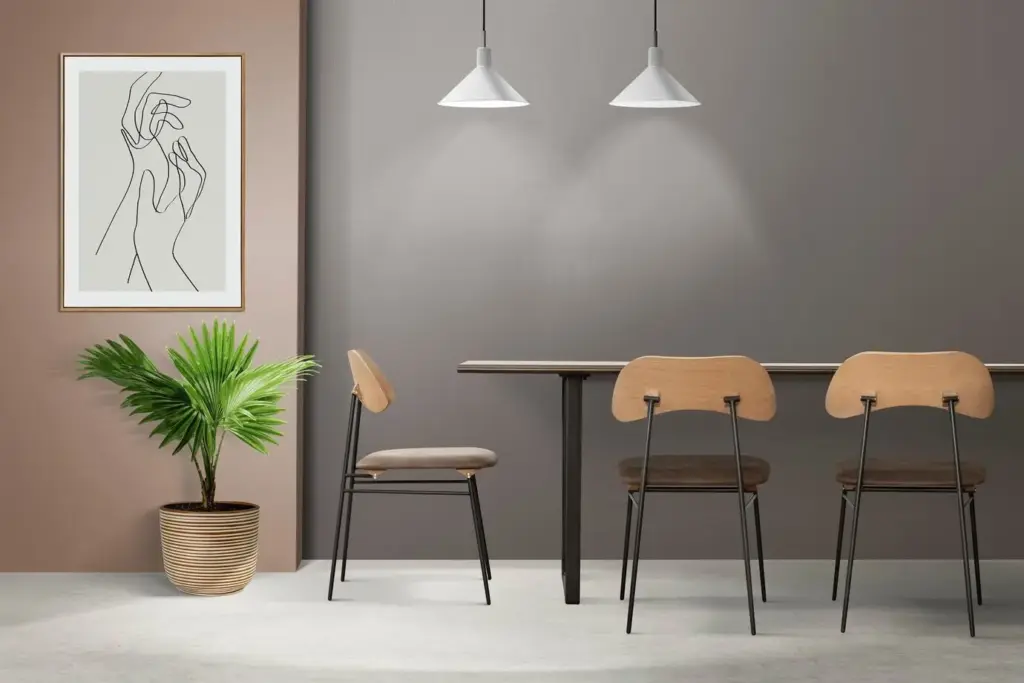
Sculptures and textured walls love raked light. A grazing beam from above or below pulls shadows that reveal chisel marks, veining, and relief. But be careful: too steep an angle can produce harsh contrast. For stone and plaster, experiment with distance and beam width until depth reads serene. On metal or glass, reduce intensity to avoid sparkle. Maintain visual hierarchy by dimming surrounding layers to let the object breathe. Tell us what material you wish to honor, and we will suggest exact aiming strategies.

Cabinetry, Shelving, and Intimate Displays

For books, ceramics, and personal collections, integrate miniature linear light under shelves or in rebates, shielding the source from view. Choose high-CRI, warm tones that flatter paper and glaze, and add tiny spots for gentle highlights. Wire management and driver placement are crucial in millwork; plan channels early. Keep controls independent so displays glow even when general lights are low. If you have glass doors, use edge lighting with careful diffusion. Share a snapshot of your shelves, and we’ll propose a discreet, tailored layout.

Room-by-Room Composure

Living Rooms: Islands of Conversation
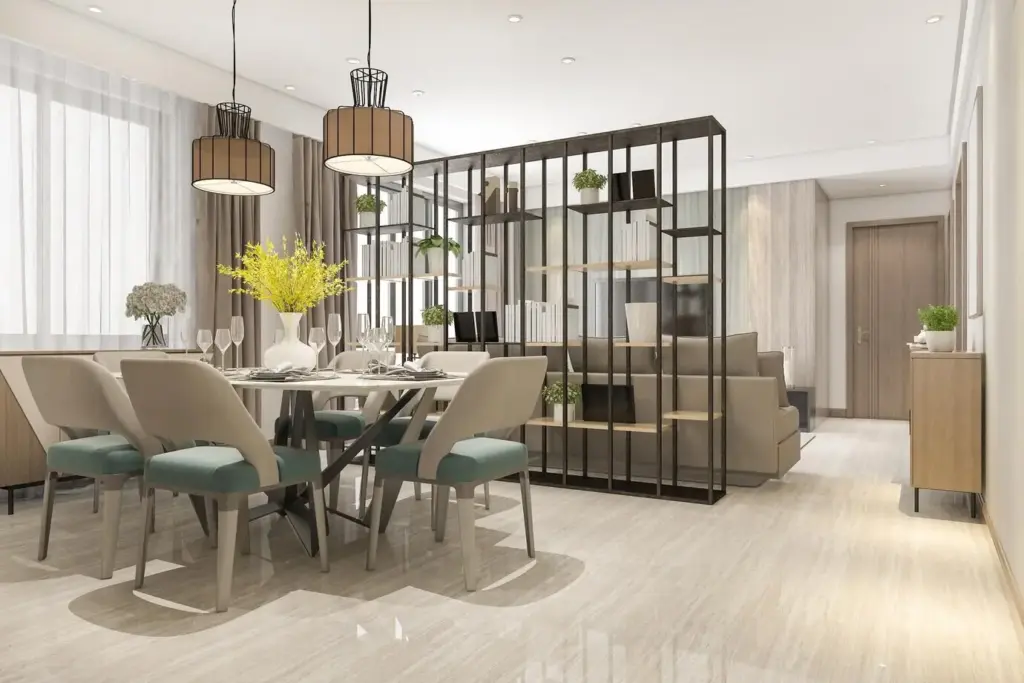
Build pools of light around seating, anchoring sofas with shaded floor lamps and diffused pendants while keeping downlights minimal and carefully aimed. Wall-wash art and drapery to extend breadth. Hide lamps’ cords within furnishings for calm. Use dim-to-warm sources to transition from daytime clarity to evening ease. Maintain sightlines by choosing low-brightness shades. Add a small reading spot with a tight beam near a favorite chair. Tell us your furniture layout, and we’ll recommend circuits and dimming that encourage unhurried conversation.

Kitchens: Clarity without Glare

Combine even, shadow-free task light on counters with restrained ambient glow that keeps ceilings quiet. Use linear under-cabinet light with high CRI for ingredients, and low-brightness downlights with medium beams for islands. For pendants, select diffused shades and dim separately from task circuits. Keep finishes resistant to fingerprints and glare in glossy kitchens. Add toe-kick or cove light for night navigation. If you cook often, consider a brighter prep scene and a gentle supper scene. Share countertop materials, and we’ll fine-tune color temperature and beams.

Bedrooms and Baths: Rituals of Rest

Prioritize softness and control. Use bedside sconces with focused beams and shielded light for reading while keeping the room dim. Integrate toe-kick or headboard glow for night paths. In baths, place vertical lights flanking mirrors for flattering faces, avoiding downlights directly above. Warm, dimmable sources support wind-down routines; brighter, balanced scenes help mornings. Keep finishes consistent across adjoining spaces for harmony. If you meditate or soak, add a low, indirect layer that supports calm. Describe your nightly routine, and we’ll compose lighting to honor it.

Controls, Commissioning, and Everyday Ease

Refinement relies on good control that vanishes into habit. Simple, well-labeled scenes and smooth dimming create confidence for every user. Commissioning matters—aiming, balancing circuits, trimming low-end flicker, and matching color across sources. Consider quiet, reliable systems that integrate with shades and sensors without announcing themselves. Maintain a small manual override for guests. Keep documentation for future service. Share your preferred tech comfort level—hardwired, app-based, or minimal—and we’ll map a control path that supports grace rather than performing for attention.
Manatomepivofopefupevu
Privacy Overview

This website uses cookies so that we can provide you with the best user experience possible. Cookie information is stored in your browser and performs functions such as recognising you when you return to our website and helping our team to understand which sections of the website you find most interesting and useful.